
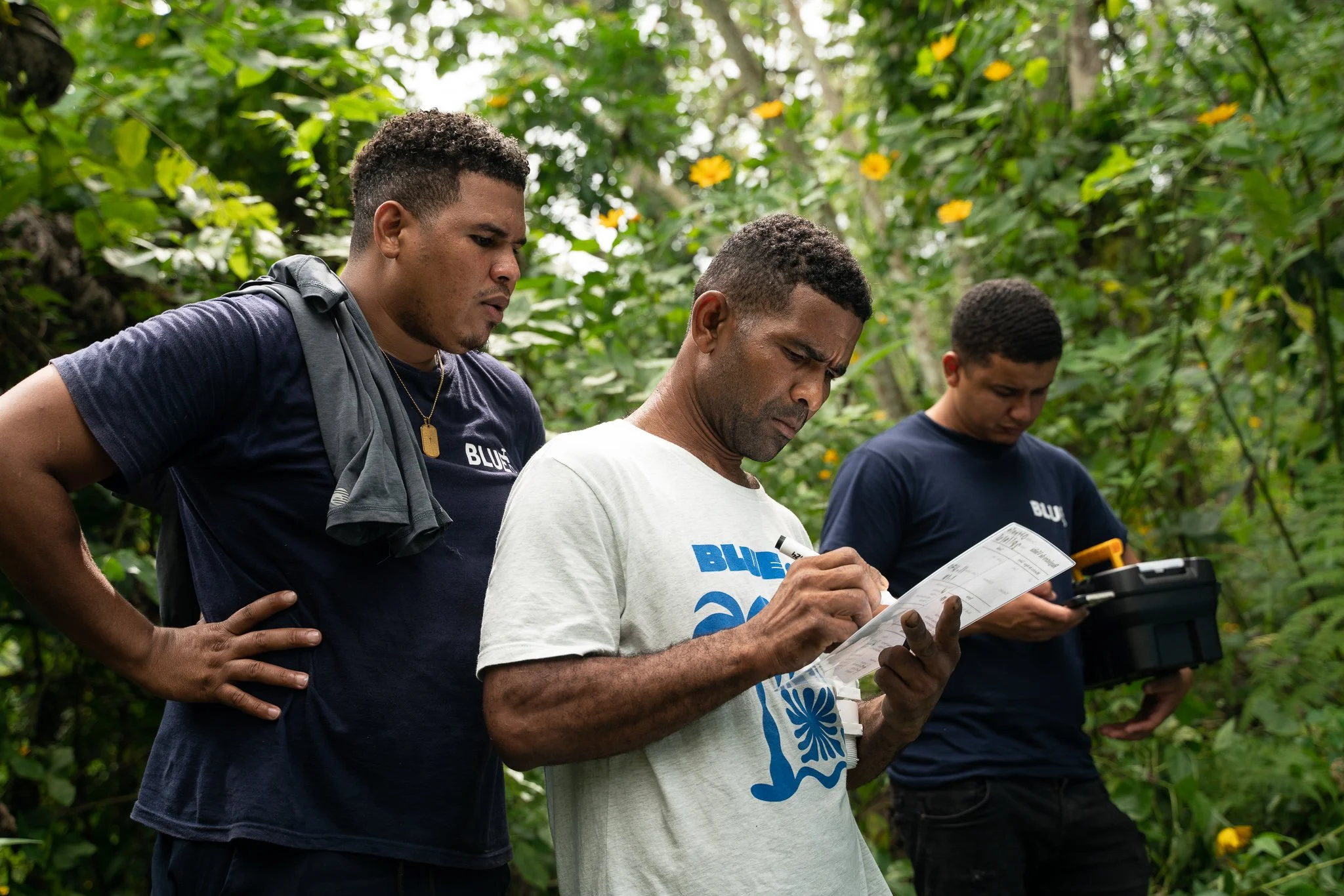

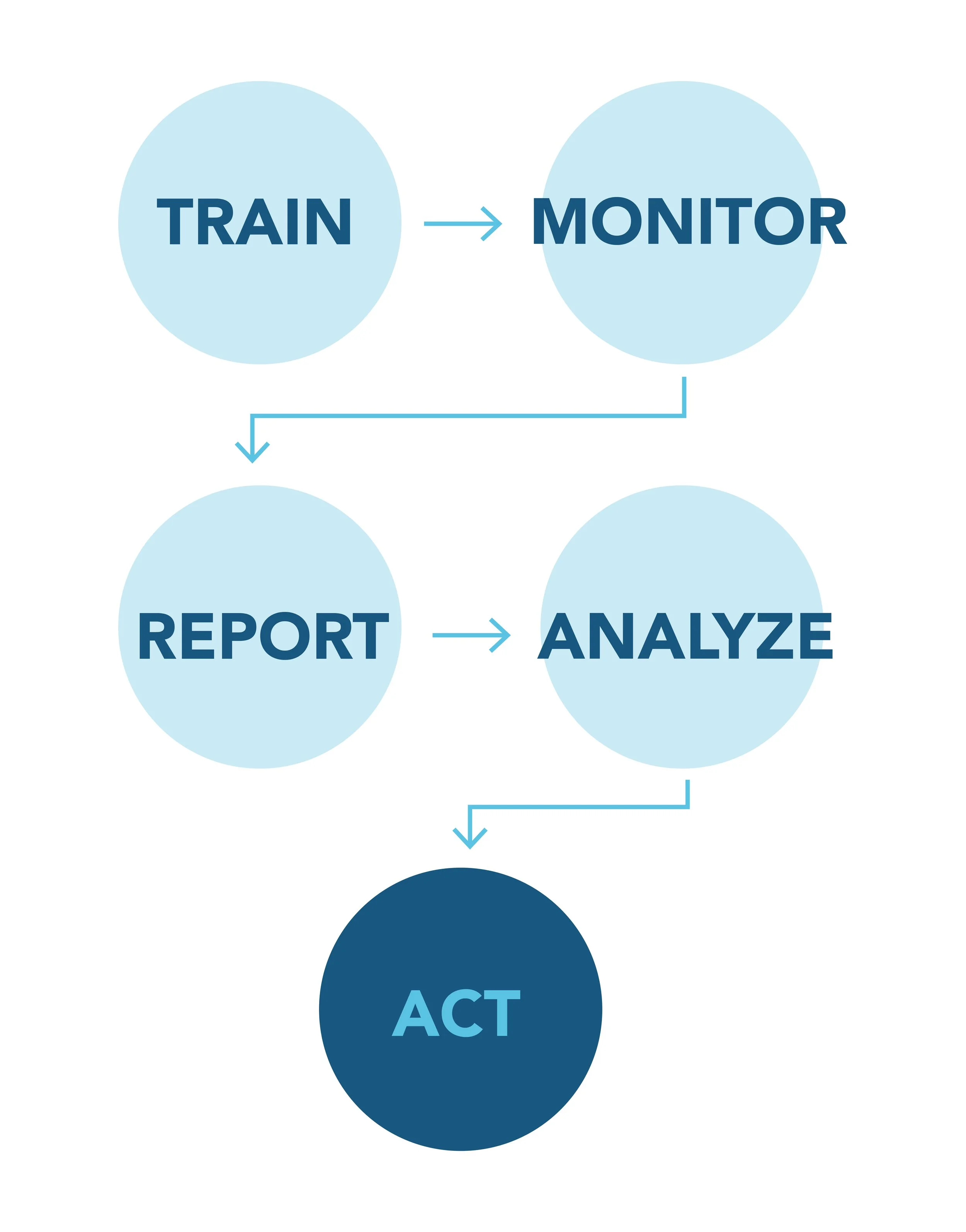
The BLUE Water Guardians Program strengthens the long-term sustainability of the rural aqueduct systems built through our international programs across the Dominican Republic over the past 16 years. The program was designed to follow up with these communities and assess the current condition of the water sources and systems that continue to serve them. By training local Water Guardians in water-source monitoring, aqueduct maintenance, environmental observation, and data collection, BLUE is building community capacity to identify changes in water flow, deforestation, infrastructure conditions, and other potential threats before they disrupt access to water.
During the program’s first year, BLUE completed two pilot rounds of data collection across 15 communities, generating valuable baseline information while refining the tools, training, and field protocols needed to assess additional systems. The program also creates significant opportunities for research and innovation through partnerships with interns and fellows from the University of Miami and the University of Georgia. These collaborators support data analysis, mapping, field research, and the exploration of early-warning tools that could combine community-collected data with climate information and satellite imagery. By connecting local knowledge, technical training, academic research, and BLUE’s long-term community relationships, the Water Guardians Program is helping us better understand the condition of our past water investments and protect them for the future.



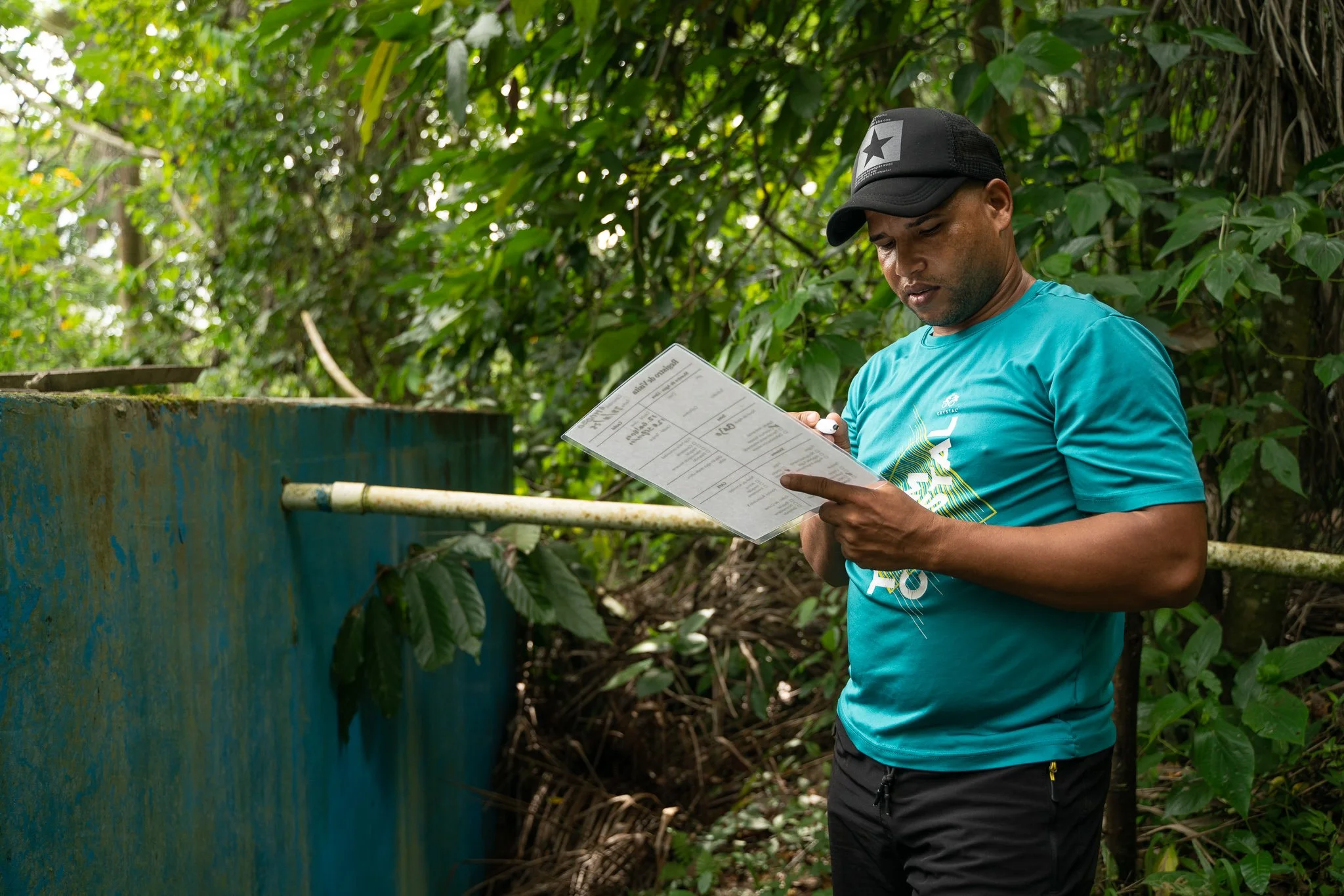
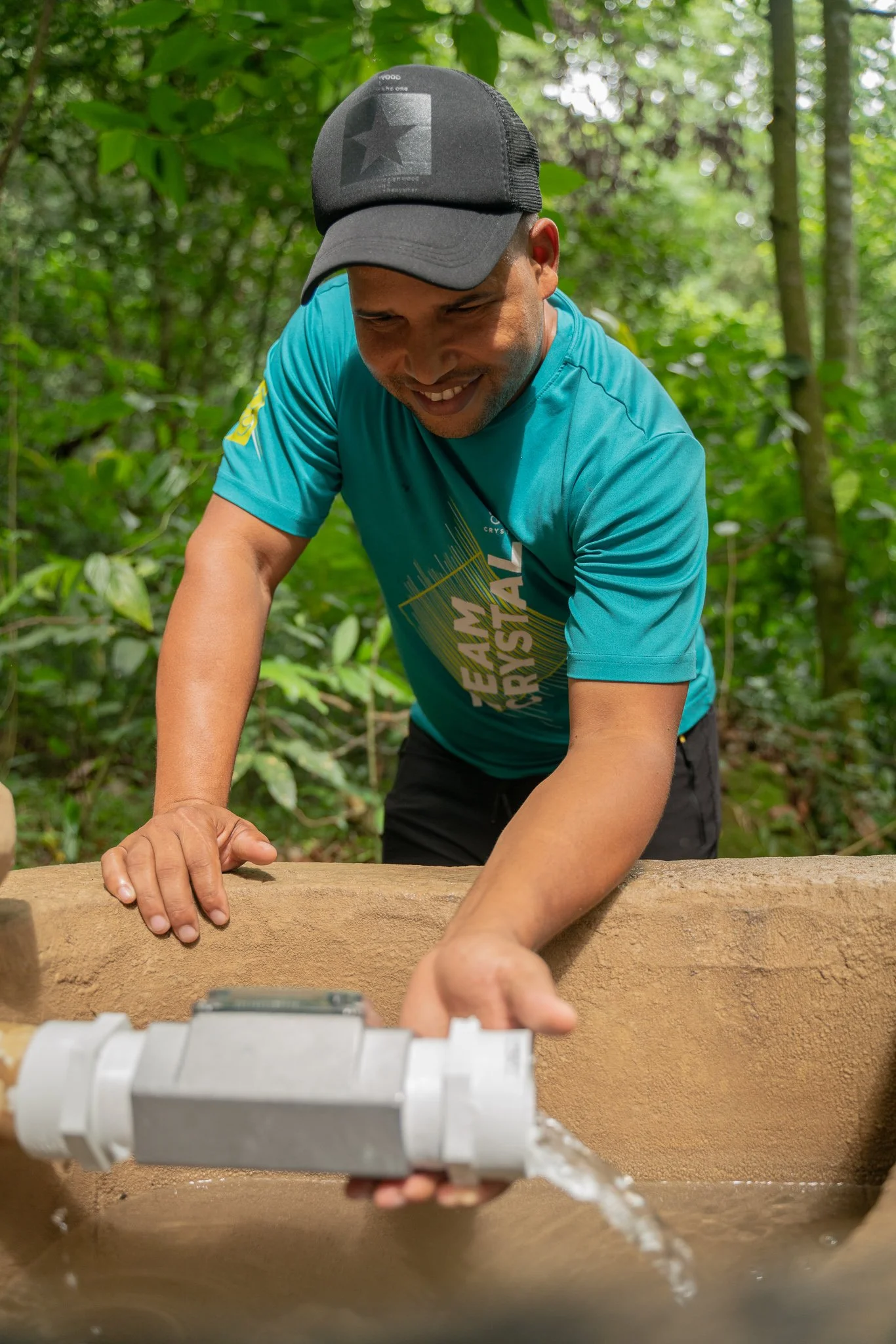
Camilo María Ortega
Los Guayuyos, San Francisco de Macorís
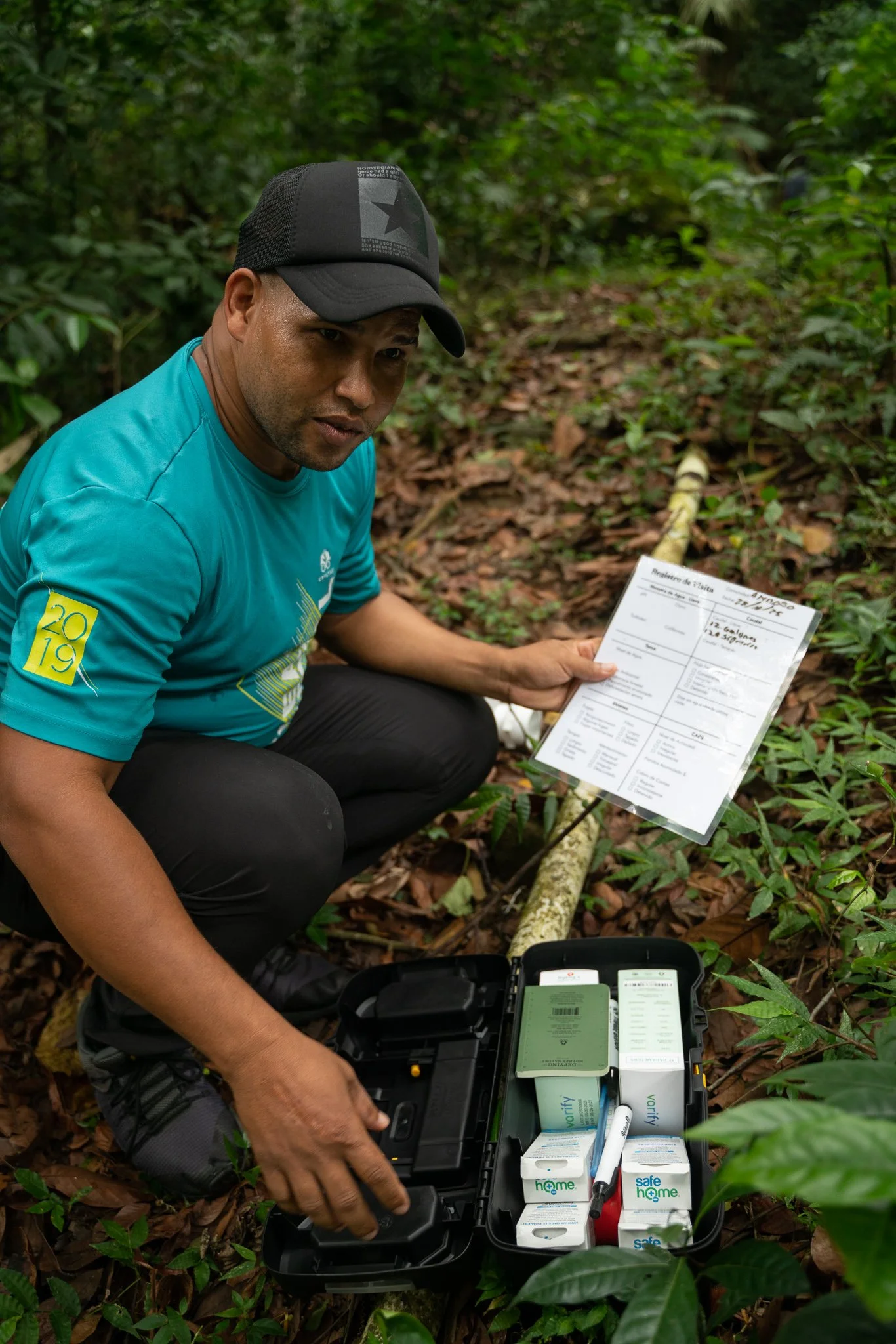
Camilo’s connection with BLUE Missions began in 2019, when BLUE partnered with his community on a water project and later a sanitation project. Those experiences led him to join the team, bringing his skills as a plumber and his perspective as a local community member. Today, as a Water Guardian, Camilo visits rural communities, tests water quality, and helps residents care for their water systems, protect local water sources, and understand the maintenance needed to keep water flowing. He takes pride in supporting fellow communities and helping protect the systems that families depend on every day.
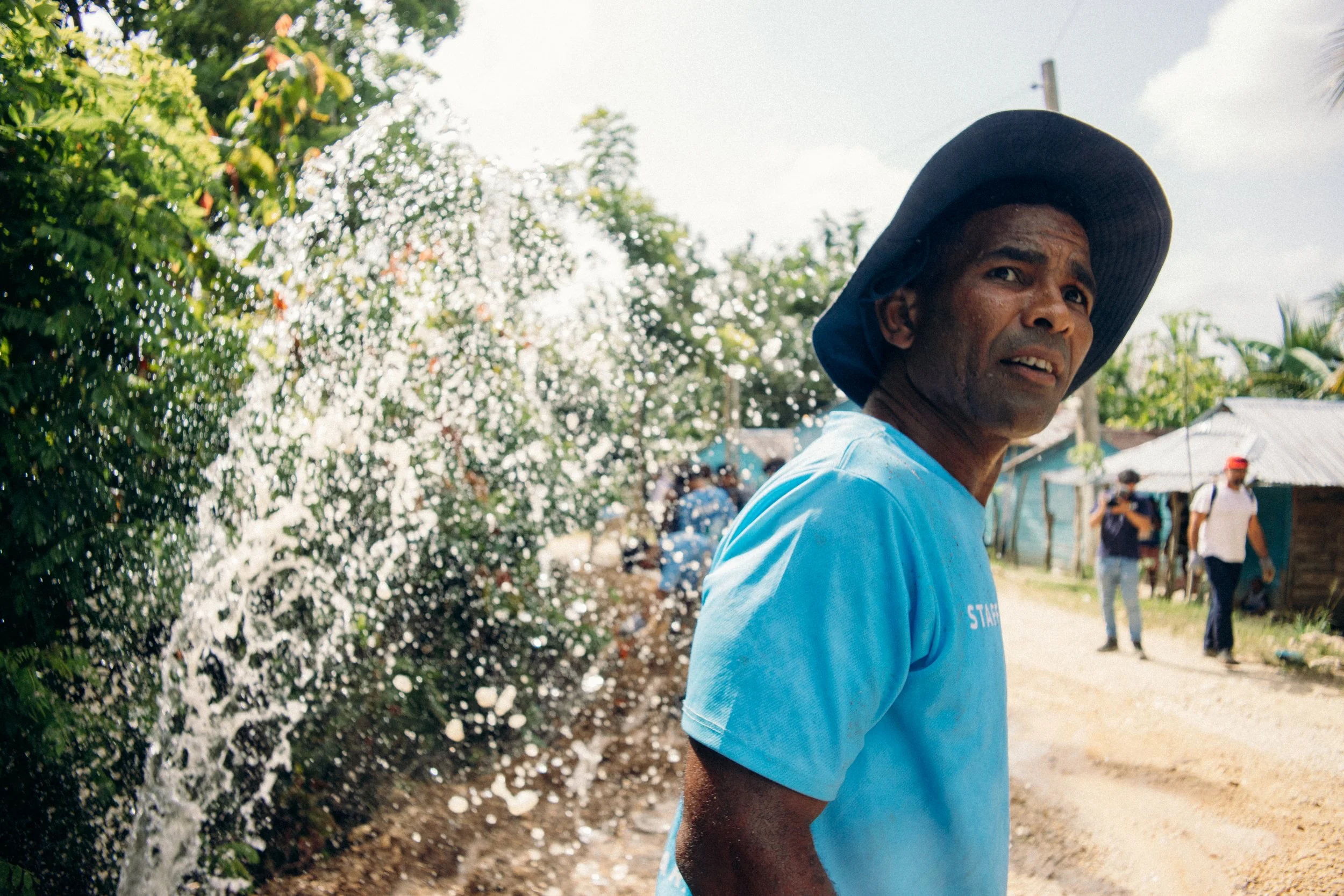
Joel Hidalgo Valdez
Los Chivos, Nagua
Joel first connected with BLUE Missions in 2019, taking part in early community visits and assessments for a water project. Since then, he has participated in 37 trips with BLUE, supporting projects and building relationships with communities across the Dominican Republic. As a Water Guardian, Joel brings his experience and his roots in rural Dominican life to each community he visits. The program has given him new opportunities to learn, connect with fellow community members, and contribute to the long-term care of their water systems. He is grateful to continue serving alongside the communities at the heart of BLUE’s work.

Water Guardians are trained through a continuous learning process that combines technical instruction, hands-on field experience, practical assessments, and ongoing support. Through this training, Guardians build the skills to monitor water sources and community water systems, evaluate conditions such as water flow, water quality, forest cover, infrastructure, and system operations, and document changes that could affect reliable access to water.
They also learn to work closely with local Water Committees, strengthening communication and community participation while helping identify potential concerns early. Refresher activities, field-based scenarios, and follow-up support reinforce their ability to apply what they learn in real-world settings. By developing local capacity to observe, measure, document, and communicate critical information, the Water Guardians program helps communities become more informed, proactive, and resilient in protecting their water resources.

Research Opportunities:
Water Resources & Hydrology · Water Quality · Environmental Science · GIS & Remote Sensing · Data Science · Climate Resilience · Early Warning Systems · Rural Water Infrastructure · Community Water Governance · Citizen Science · WASH & Public Health · Program Evaluation · Sustainable Development · Implementation & Scaling
Engineers and technical team
Marino Estevez
Bryan Pichardo
Ruben Gutierrez
Gisselle
Wilmer
Research team
Leads:
Sharina Espinal
Leslie Ramos
Betsy Sherwood
Graduate student:
Laura Montes (Doctoral dissertation: Strengthening Community-Based Water Governance: An examination of the BLUE Water Guardian Model)
Undergraduate students:
-Brynne Casto, University of Miami (Project: BLUE Water Projects Mapping & Monitoring Initiative: an ArcGIS Dashboard)
-Nev Moley, University of Miami (Project: Exploring Early Warning Models for Rural Water Systems), major: International Studies

The Water Guardians Program was designed not only to strengthen individual communities, but also to create a monitoring model that can grow across BLUE’s broader network of rural water systems. As the program expands, the tools, training protocols, data collection methods, and reporting processes developed during the pilot phase can be adapted and replicated in additional communities, allowing BLUE to monitor more systems consistently over time.
Scaling the model also creates opportunities to build a stronger regional picture of water security. By combining community-generated observations with technical assessments, climate data, satellite imagery, and geospatial analysis, BLUE can begin identifying patterns across watersheds and communities, detecting emerging risks, prioritizing technical support, and directing resources where they are needed most. Over time, this approach has the potential to evolve into an early-warning and decision-support system that strengthens the resilience of rural water infrastructure.
Most importantly, expansion will continue to center local leadership. By training community members to collect reliable information and communicate changes in their water systems, BLUE can increase monitoring capacity without relying exclusively on external technical teams. The long-term vision is a scalable, community-driven model that helps protect past water investments, supports evidence-based decision-making, and can be adapted to strengthen water security in communities throughout the Dominican Republic and, eventually, in other regions facing similar challenges.

Reports
Dissertations
Papers